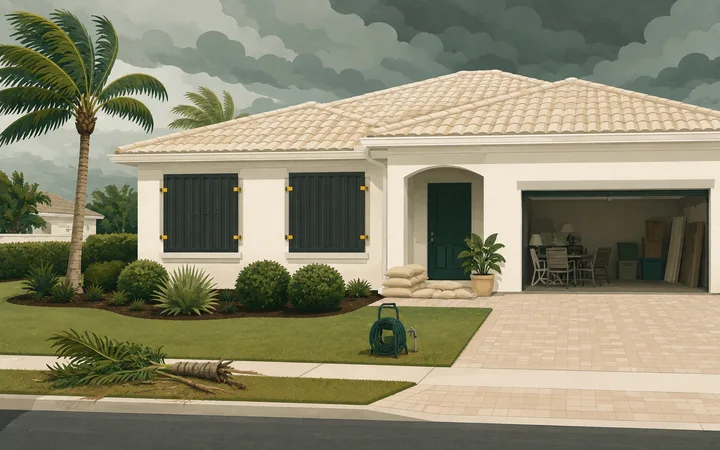
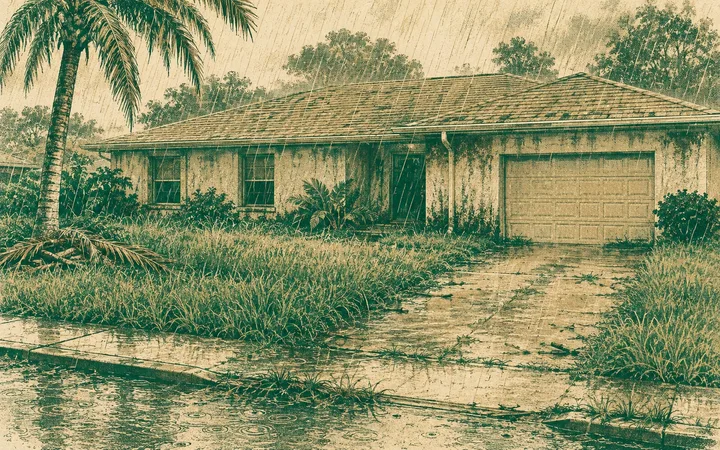
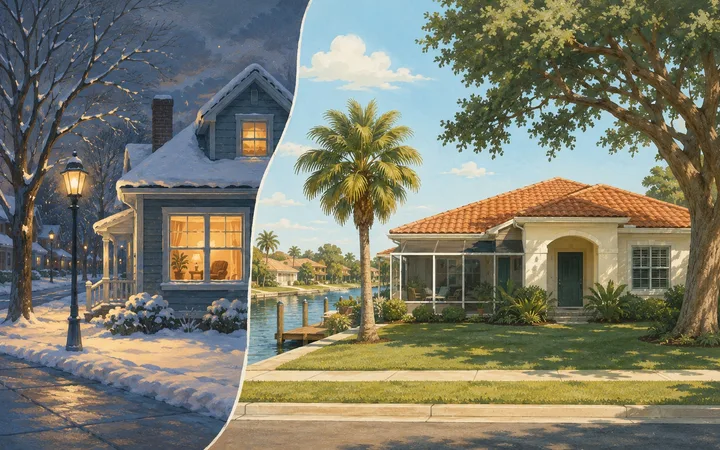
After the storm: what a street-view photo can and cannot tell you
The first hours after a storm passes are when owners far away want a picture most. Here is what a dated street-view set reliably shows, what it never can, and how to use it to make the right next call.
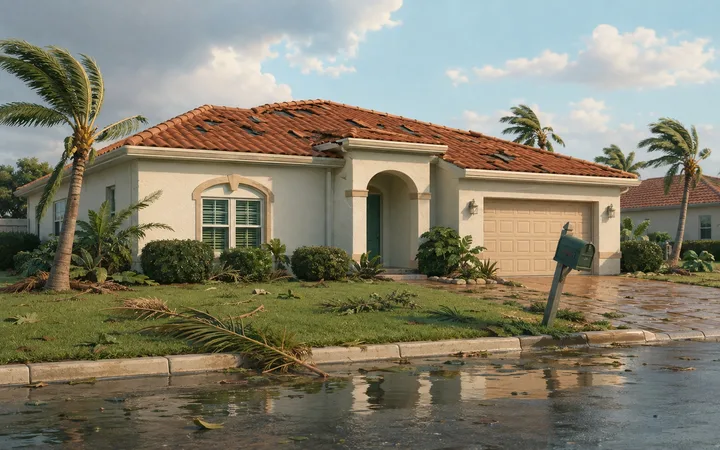
The storm has passed, the county has reopened the roads, and you are three states away refreshing a weather map. What you want is simple: a picture of your house, today, taken by someone standing in front of it. What you need to know is what that picture can and cannot tell you, so the next call you make is the right one.
A street-view photo visit is built for exactly this moment, and it has clear limits.
What the road can see
From the public street, a photographer can see the front elevation, the roof line and edge, the gutters and fascia, the driveway and garage door, the visible side walls, the yard, the fence line, the mailbox, and every tree between the road and the house. After a storm, that takes in most of what changes: missing shingles at the edge, a sagging gutter, a limb on the drive, a leaning palm, a fence panel down, debris against the garage.
What the road cannot see
It cannot see the back of the house, the far side, the pool cage, the lanai, the roof’s upper slopes, the inside, or anything behind a solid fence or a closed gate. A dry, tidy front elevation does not mean the back is the same. The delivered set says which sides it shows so you never mistake “no visible damage from the street” for “no damage.”
Why the timestamp matters
Every frame carries the date and time it was taken, and every set is reviewed before it reaches your account. In the days after a storm that matters more than usual: a contractor wants to know what the house looked like before any cleanup, and later questions about when something happened are easier to answer with a dated set than with memory.
Before cleanup, not after
Book the after visit as soon as the roads are open and it is safe to be out. The most useful after set is the one taken before the lawn crew clears the drive and before a neighbor drags the fence panel out of the road. Once cleanup starts, the picture changes, and the record of what the storm itself did gets harder to reconstruct.
Comparing against the baseline
If you took a baseline set before the season, put the two side by side in your account. The photographer works from the same public vantage points each time, so the framing matches and change stands out. Go through the roof edge, the gutters, each tree, the fence, the drive, and the yard in turn. Where nothing changed, you can move on; where something did, you know what to describe on the phone.
Deciding the next call
The set is there to help you decide who to call, not to replace them. A few common outcomes:
- Limbs down, house looks intact: the tree crew and the lawn service
- Shingles or gutters visibly disturbed at the edge: a roofing contractor to walk the roof
- Fence or gate down: a handyman, and a note to the neighbor if it is a shared line
- Debris against the house or in the drive: the lawn crew, then a follow-up set
- Nothing visible from the street: a call to someone with a key to check the sides and back
Safety and timing
We do not send anyone out while a warning, a curfew, or an evacuation order is in effect, and we do not drive through standing water or around downed lines to reach a street. A standard visit needs 48 hours of notice. If you need photos sooner, an urgent visit can be booked for a window as soon as two hours from now, while one is still open. After a storm, the earliest safe window is the earliest we can offer, and the confirmation you see in your account is the honest one.
The follow-up set
Once repairs and cleanup are done, one more visit closes the record: the house, from the same street, back in order, with a date on it. Owners who keep the three sets together, baseline, after, and follow-up, have the whole story of the season in a few dozen frames.
What a visit is not
A Front View visit is photography from public places. It is not a damage inspection, an insurance assessment, or an estimate. It never enters the property, opens a gate, or climbs anything. If the photos suggest something needs hands on the house, the next step is a professional on the property.
How a visit works
No visits are open for booking right now. If you have an account, your past visits and photos are still there.
Every visit is a photographic record of the outside of the property. It is not a home inspection, an appraisal, or a security, patrol, or investigation service.
More in Seasons & weather.