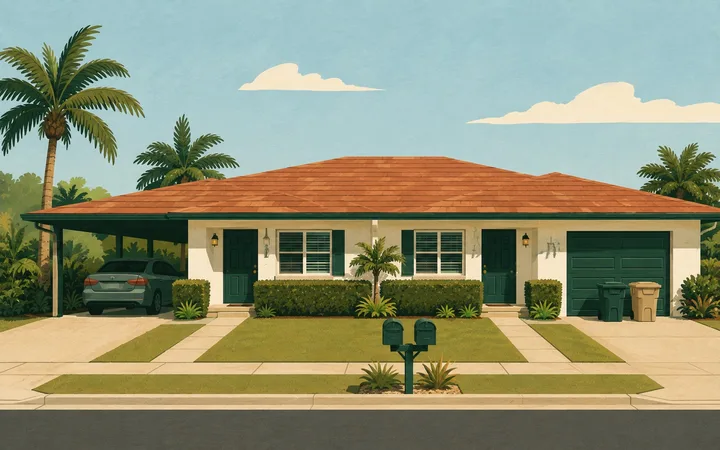
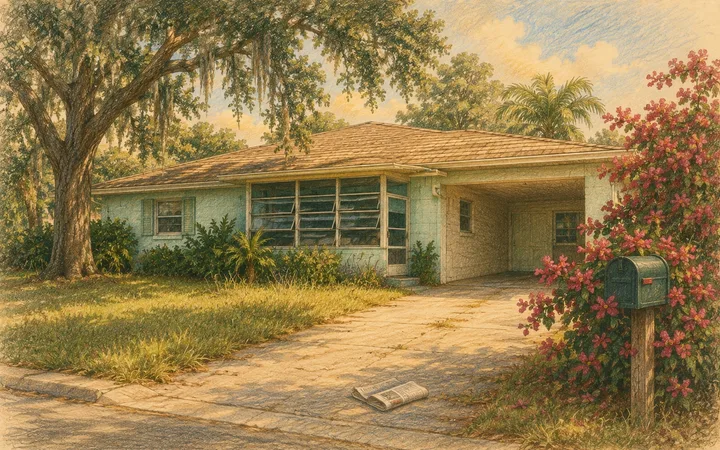
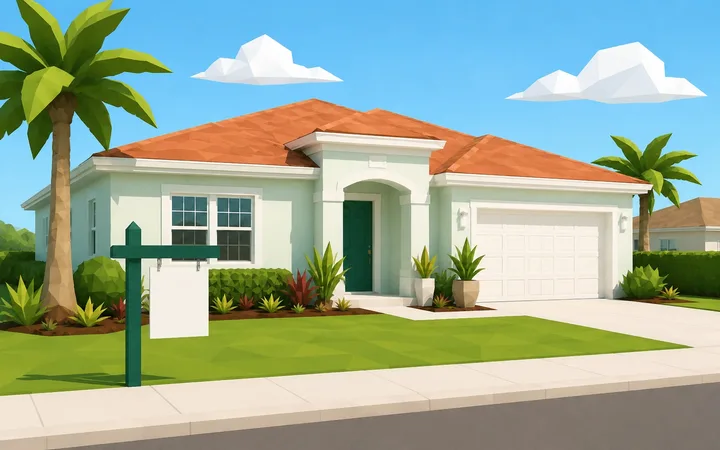
HOA letters and neighborhood notices: answering from afar with dated photos
A letter about the lawn, a trailer, or a trash can lands while you are out of state. How a dated street-view set helps you see what the letter describes, act on it, and keep a calm record of what was done and when.
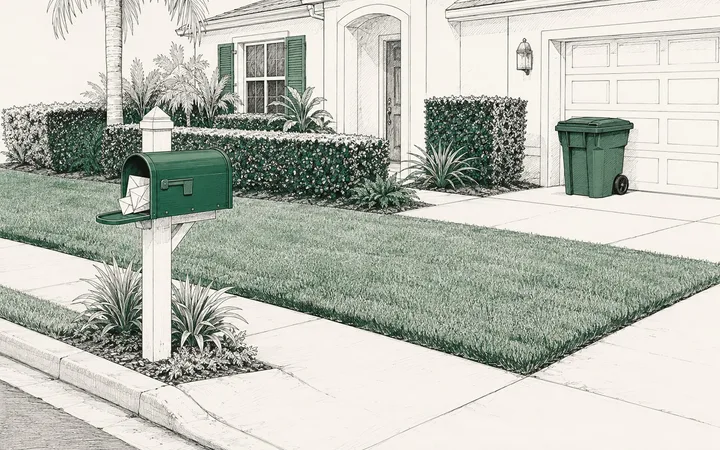
Flagler County neighborhoods care how a street looks, and many of them have an association or a city that says so in writing. If you own a home here and live somewhere else, a letter about the lawn, the beds, a trailer in the drive, or a can at the curb can arrive when you are least able to walk outside and look. The calm response is to see what the letter describes, get it fixed, and keep a dated record of the exterior along the way.
One thing first: we are not lawyers and we do not interpret notices, rules, or deadlines. Read the letter carefully, and if a question about it needs a professional, ask one. What a Front View visit provides is an accurate, dated picture of the exterior from the street so you can act on facts rather than guesses.
Seeing what the letter describes
A notice usually names something specific: grass height, edging, a hedge, a stored item, a fence, a color. From a distance you cannot tell whether that describes your house today or your house three weeks ago when someone drove past. A street-view set booked as soon as the letter arrives shows the exterior as it stands, from the same public vantage point the neighborhood sees, with the date on every frame.
Getting the right person out
Once you can see the issue, the next step is a specific request to a specific person: the lawn crew for grass and beds, a handyman for a fence panel or a light, a neighbor with a key for a can that needs to go in the garage. Specific requests get done faster than “can you go look,” and the set lets you make them.
Recording the fix
After the work is done, book a second set. The pair, before and after, is a dated record of the exterior on the day you received the letter and the day the issue was addressed. Owners keep it in their account; some send it along with their reply. Whatever the association’s process, a picture with a date is easier to talk about than a description.
The letters that arrive most often
From what owners tell us, a short list accounts for most of them:
- Lawn height, edging, and weeds in the beds
- Hedges and trees over a sidewalk or a property line
- Trash and recycling cans visible from the street
- Vehicles, boats, or trailers in the drive
- Mildew or staining on walls, walks, or the roof
- Fences, gates, and exterior lights in need of repair
Staying ahead of the next one
Most notices are about things that happen slowly and are visible from the street: grass, hedges, mildew, cans. A monthly set through the growing season catches them while they are a phone call rather than a letter, and it doubles as a record of your lawn service doing, or not doing, what the invoice says.
When the picture disagrees with the letter
Sometimes the set shows the lawn cut, the cans put away, and nothing in the drive. That happens, and a dated set is the calm way to say so. We do not take a side, and we do not comment on the letter; the frames simply show the exterior on a known date and time, reviewed before delivery, and you decide what to do with them.
Working with a manager or a tenant
If a manager or a tenant is responsible for the exterior, the set gives everyone the same picture. A Front View visit is taken from the public street, so nobody is disturbed and nothing is entered, and it removes the “it looked fine when I drove by” back-and-forth from the conversation.
What a visit does not do
A Front View visit is photographed from the public street and sidewalk, and does not enter the property or move anything. We do not contact the association or the city, or read rules for you. The visit is a dated photographic record of the exterior, not an inspection, a compliance service, or legal advice, and it tells you what the street sees so you can act.
How a visit works
No visits are open for booking right now. If you have an account, your past visits and photos are still there.
Every visit is a photographic record of the outside of the property. It is not a home inspection, an appraisal, or a security, patrol, or investigation service.
More in Owner playbooks.