Vacant and listed: keeping a for-sale home presentable from a distance
A listed home is seen from the street far more often than it is shown. How owners who are not there keep the curb view sharp between showings, and how a dated set helps the agent and the seller work together.

A house on the market gets far more drive-bys than showings. Buyers scroll the listing, then they drive the street on a Saturday to see the house for themselves before they call anyone. If the seller has already moved north, or lives out of state, the street view is the one part of the sale they cannot see, and it is the part buyers see first.
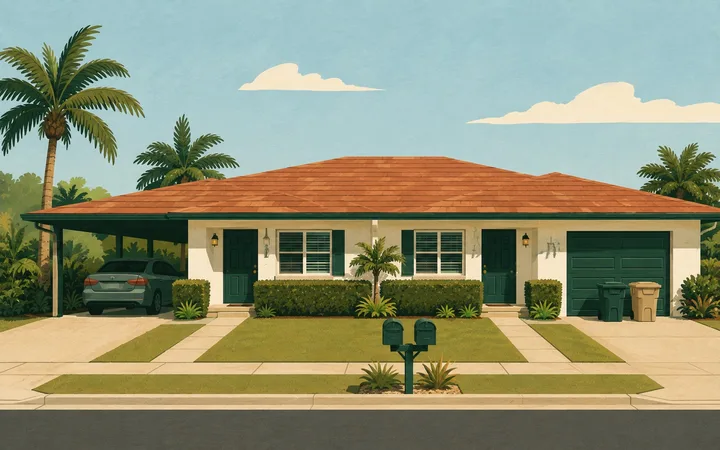
What buyers notice from the curb
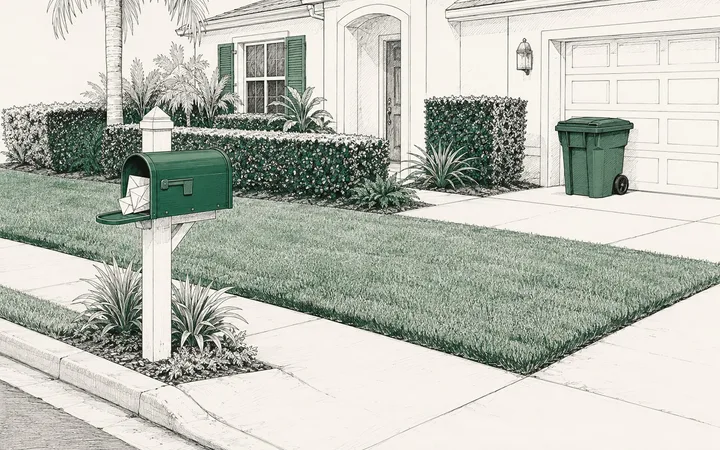
In our experience the drive-by verdict comes from a short list:
- The lawn and edging, especially along the drive and the walk
- The beds: mulched and weeded, or not
- The front door, the house numbers, and the entry light
- The roof line and gutters, because buyers have been told to look
- Trash cans, hoses, and anything on the step
- The sign itself: straight, clean, and readable
The day the sign goes up
Book a set for the day the sign goes up. It is the dated record of the house as it was listed, and it is the reference every later set compares against. Agents often like a copy; it shows the listing photos were honest about the exterior on the day they were taken.
Between showings
Showings are staged; the days between them are not. A set every two weeks tells you what the drive-bys are seeing on an ordinary Tuesday: whether the lawn crew came, whether a can is at the curb, whether the sign is leaning. It is the same routine seasonal owners use, tightened to a listing’s tempo.
Working with your agent
Your agent is busy and does not drive past your house every day. A dated set in your account gives you both something specific to talk about: “the beds need mulch before the open house,” or “the lawn looks great, leave it.” Feedback from showings often mentions the exterior; the set lets you check it against the picture rather than guess.
The lawn crew during a listing
A listed house needs the crew on a tighter schedule than a home someone lives in, because nobody is inside to notice a missed week. The set is the crew’s report card, and sharing it with them tends to improve the service. If the invoice says weekly, the grass in the frame will say whether that is true.
Weather during a listing
A listing that runs through the summer will meet storms. A before set when a storm is days out and an after set once roads reopen tell you and your agent whether anything needs attention before the next showing, and they are a dated record if a buyer later asks what the storm did.
Price reductions and second looks
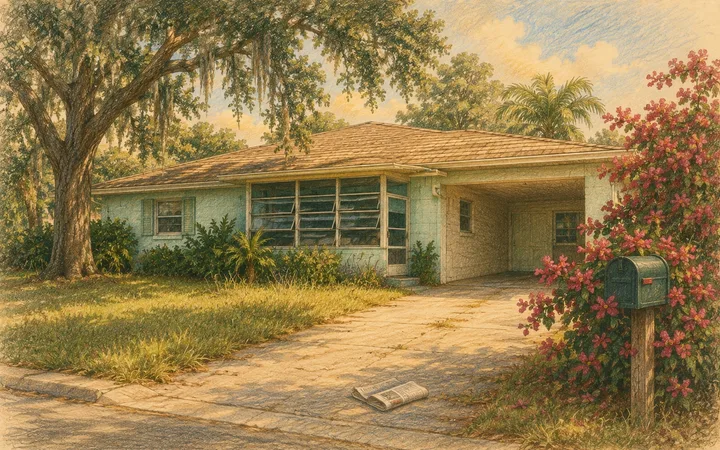
When a listing sits, agents and sellers start asking what buyers are seeing. Sometimes the answer is on the street: a house that has quietly gone shaggy over eight weeks reads as a house nobody cares about, and the price conversation starts there. The set makes that visible early, while it is a lawn problem and not a price problem.
The day the sign comes down
One last set on closing day, or the day the sign comes down, closes the record: the house as it was handed over, dated. Sellers keep it; some buyers ask for it. Either way it is the clean end of the story that started with the sign going up.
What a visit does not do
A Front View visit is photographed from the public street and sidewalk. We do not enter the house, stage anything, open a lockbox, or check the inside after a showing. The visit is a dated photographic record of the exterior, not an inspection, an appraisal, or a property-management service, and it tells you and your agent what the street sees.
How a visit works
No visits are open for booking right now. If you have an account, your past visits and photos are still there.
Every visit is a photographic record of the outside of the property. It is not a home inspection, an appraisal, or a security, patrol, or investigation service.
More in Owner playbooks.